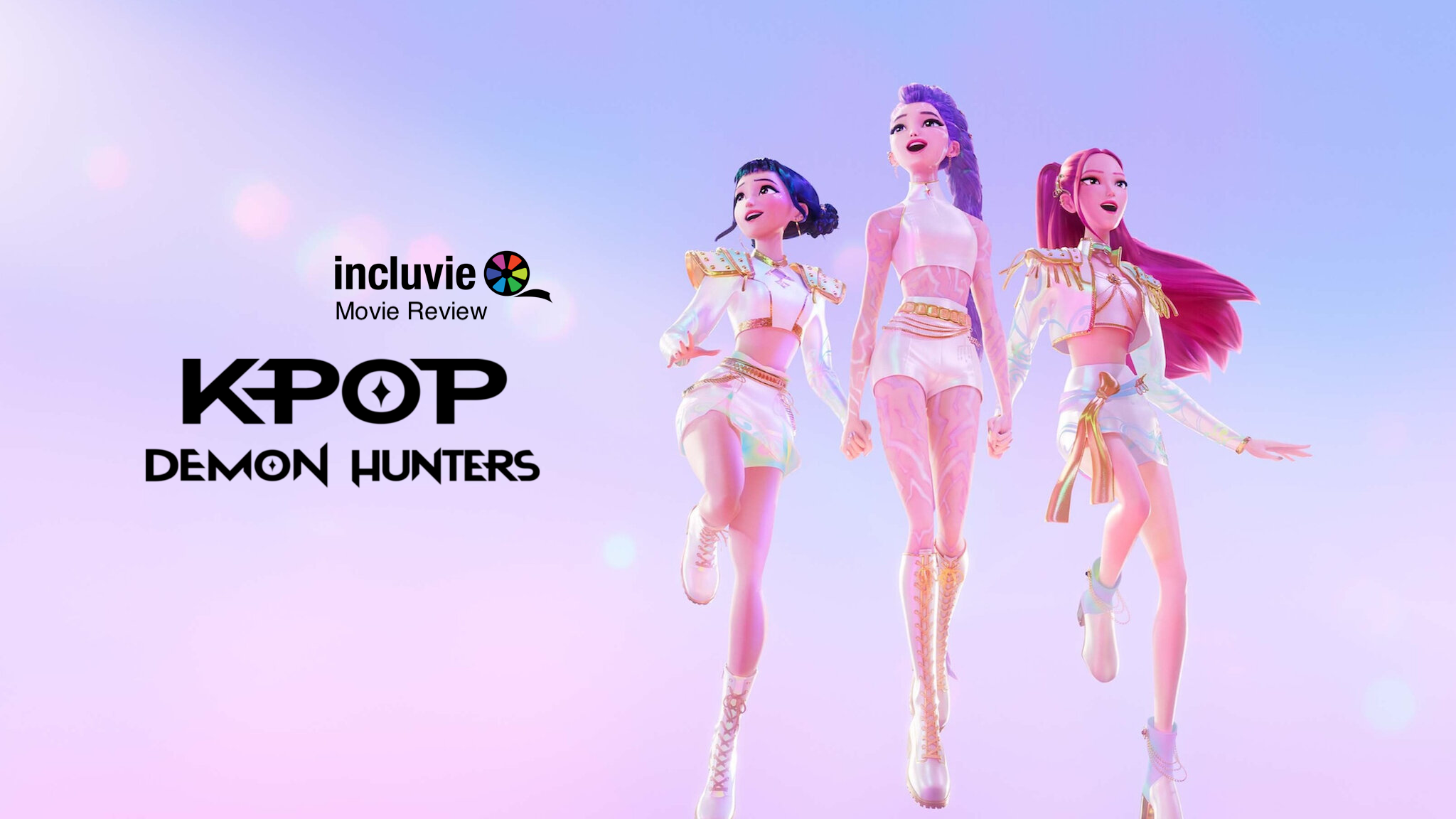
How is K-Pop Demon Hunters – an animated Netflix original – topping charts for 7 months straight and counting, in both movies and music? How has it become so fascinating and compelling that it leads middle-aged white American dads to create Tiktoks about how it initiated them to K-Pop as if it’s a fraternity or rite of passage? And what does this movie even mean?
Let’s take a look at the themes and symbolism. The symbolism may be classic, but the portrayal within the story and graphics really make them pop. Pun not intended.
Three Asian girls in the girl band HUNTR/X are secretly protecting all of us in the world by killing demons… using K-pop, sass, and style! Throw in some quintessential girl power and friendship trios, and ayyyy – this works!
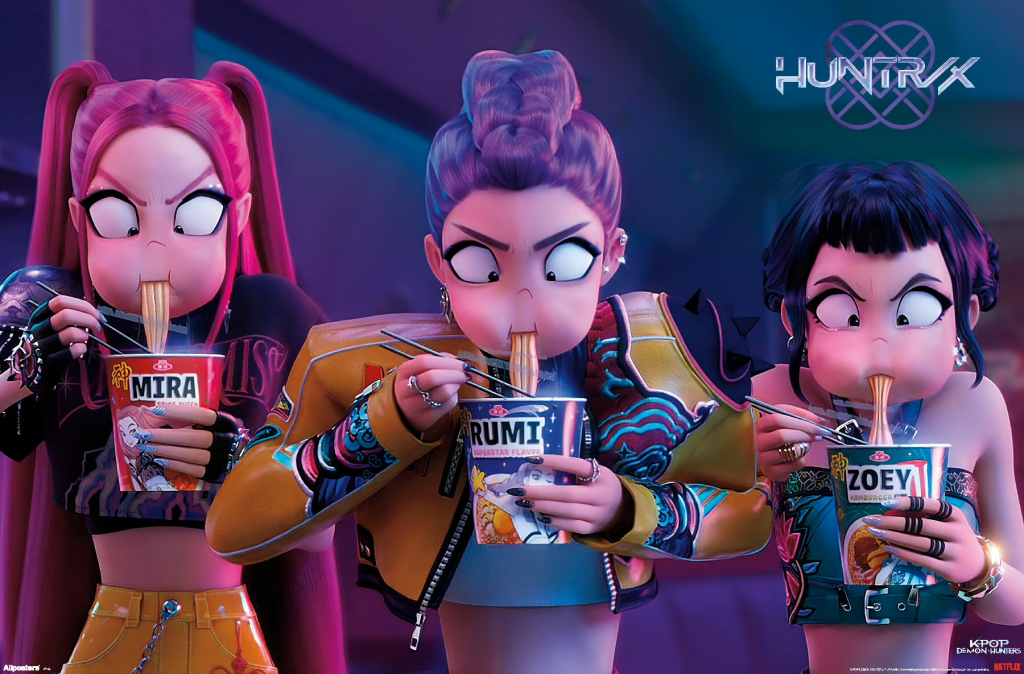
Korean pop culture has mastered emotions as both a scientific field and an artistic revolution. Think of how K-Pop and K-Dramas have taken over the world. How? Simply put — they are addictive. How are they addictive? They make your emotions go in all different directions, without a beat in between, never knowing what will come next. Korean creatives know how to make you cry ugly tears, identify yourself as the main lead and underdog, forge personal vendettas against the villains, giggle like a little kid, and basically… become obsessed. And yes – Netflix made this movie. But much of the cast and crew are Korean or Korean American.
The Symbolism
Demons represent the shame and hatred within yourself that is so scary you can’t even peek to see or articulate it. The shame is so ugly that you can’t look it in the eye. The ugliness of that shame is personified in our hero Rumi, when her shame moves past the scar phase, and her demons start taking over her soul.
See the rest on the original Incluvie review
Incluvie is my first baby. Recently, I gave it a makeover – with the help of my awesome team, and I’m so insanely proud of how gorgeous it looks and how awesome it is.
